The Complete Sleep Guide for Performance: Why 8 Hours Is Worth More Than Any Supplement
Discover how sleep affects muscle gain, fat loss, and performance. Science-based strategies to sleep better and maximize results.
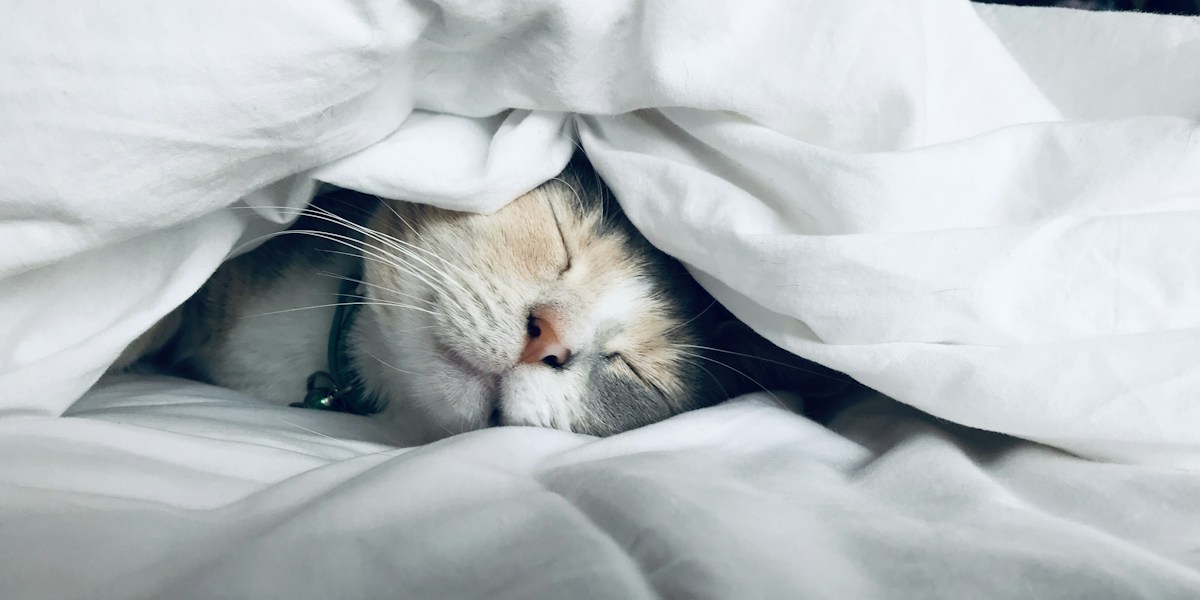
You train hard. Count macros religiously. Take creatine, whey, pre-workout. But you sleep 5-6 hours a night and think it’s “fine.” Spoiler: it’s not.
Sleep is the most powerful supplement that exists. And it’s free.
In this article you’ll discover:
- Why inadequate sleep can destroy months of progress
- How to optimize your sleep for maximum gains
- What supplements actually work (and which are a waste of money)
- A step-by-step protocol for sleeping like a professional athlete
Why Sleep Is So Important for Fitness
Let’s get straight to the point: if you’re not sleeping enough, you’re losing gains. Not a little. A LOT.
What Happens While You Sleep
While you sleep, your body isn’t “turned off.” It’s in maximum repair and construction mode:
During deep sleep (N3):
- Growth hormone (GH) is released at maximum quantity
- Muscle tissue is repaired and rebuilt
- Protein synthesis occurs at accelerated rate
- Immune system strengthens

During REM sleep:
- Brain processes information and motor learning
- Nervous system recovers completely
- Muscle memory consolidates
- Neural pathways optimize
Sleep isn’t “rest.” It’s when your body transforms all that hard work into actual results.
The Scary Numbers
This study completely changed how we view sleep in fitness:
University of Chicago Study (2010): Two groups in identical caloric deficit (cutting). The only difference: hours of sleep.
Group 8.5h of sleep per night:
- Weight loss: 6.6 lbs
- Composition: 50% fat, 50% lean mass

Group 5.5h of sleep per night:
- Weight loss: 6.6 lbs
- Composition: 20% fat, 80% lean mass
Read that again. Same weight lost. But:
- The group that slept less lost 4x more muscle.
- The group that slept more lost 2.5x more fat.
This isn’t “optimization.” It’s the difference between success and total failure.
The Practical Reality
Imagine two people:
Person A:
- Sleeps 8+ hours
- Trains 4x week
- Diet “ok” (80% adherence)
Person B:
- Sleeps 5-6 hours
- Trains 6x week
- Perfect diet (100% adherence)
- Takes 10 supplements
Person A will have better results. Every time.
How Bad Sleep Destroys Your Gains
It’s not just “feeling tired.” Bad sleep sabotages your physiology in 6 different ways:
1. Growth Hormone (GH)
The science:
- 70-80% of your daily GH is released during deep sleep (N3 phase)
- GH is crucial for muscle repair, fat burning, and recovery
- Each hour of lost sleep = fewer GH pulses
In practice:
Normal sleep (7-9h):
- Multiple GH pulses during the night
- Maximum protein synthesis
- Complete muscle recovery

Short sleep (5-6h):
- 30-50% less GH release
- Incomplete recovery
- Dramatically reduced gains
Without deep sleep, there’s no GH. Without GH, there are no gains.
2. Testosterone
The science: Testosterone is primarily restored during sleep. One week of 5h per night reduces testosterone as much as aging 10-15 years.
Actual study:
Healthy young men (24 years average):
- After 8h of sleep: Normal testosterone
- After 5h of sleep: -15% testosterone
- After 1 week with 5h: -25% testosterone
In practice:
- Less muscle gained per training session
- More fat stored
- Worse recovery
- Less libido (yes, that matters too)
3. Cortisol (Stress Hormone)
The problem: Bad sleep = chronically elevated cortisol = 24/7 catabolism mode.
What happens:
Normal cortisol:
- Peak in the morning (wakes you up)
- Drops during the day
- Minimum at night

Cortisol with bad sleep:
- Elevated all day
- Doesn't drop at night
- Chronic "stress" state
Consequences:
- Muscle catabolism (your body burns muscle as fuel)
- More visceral fat (especially abdominal)
- Worse nutrient partitioning (more calories go to fat, not muscle)
- Slower recovery
- Higher injury risk
4. Insulin Sensitivity and Metabolism
The science: A few nights of bad sleep can make your cells become insulin resistant, similar to pre-diabetes.
Study: After just 4 nights with 4.5h of sleep:
- Insulin sensitivity ↓ 30%
- Fat cells become 30% less responsive
- Your body processes glucose like you have pre-diabetes
In practice:
With good sleep:
Eat 200g carbs →
- Muscles absorb glucose
- Muscle glycogen fills
- Energy to train
- Muscle grows

With bad sleep:
Eat 200g carbs →
- Muscle insulin resistant
- Glucose stays in blood
- More stored as fat
- You feel lethargic
The same calories have completely different destinations.
5. Hunger and Satiety Hormones
The problem: Bad sleep dysregulates leptin (the “I’m full” hormone) and ghrelin (the “I’m hungry” hormone).
The numbers:
With 5h of sleep vs 8h of sleep:
- Leptin (satiety): ↓ 15-20%
- Ghrelin (hunger): ↑ 15-20%
In practice:
- You feel hungrier (especially for carbs and sweets)
- Lower feeling of satiety
- More cravings during the day
- People with short sleep consume +385 calories/day on average
- Harder to maintain caloric deficit
Sleeping poorly literally makes you want to eat more. Adhering to your diet becomes 10x harder.
6. Training Performance
The numbers don’t lie:
Physical capacity with inadequate sleep:
- Maximum strength: -10 to 30%
- Endurance: -20 to 40%
- Time to failure: -20 to 25%
- Repeated sprint: -5 to 15%
- Motor precision: -30 to 50%
- Reaction time: -20 to 30%

Risk and recovery:
- Injury risk: +60% with <6h of sleep
- Perceived exertion: Significantly higher
- Recovery time: +30 to 50% longer
- Muscle soreness (DOMS): Greater intensity and duration
In practice: A workout you’d normally complete easily feels impossible. That last rep you get with 8h of sleep stays on the rack with 6h of sleep.
How Much Sleep Do You Really Need
The honest answer:
Minimum acceptable: 7 hours
General recommended: 7-9 hours
Ideal for athletes/lifters: 8-10 hours
But here’s what’s important: It’s not just hours in bed. It’s hours of effective sleep.
8 hours in bed ≠ 8 hours of sleep (Considering time to fall asleep, night awakenings, etc.)
Real goal: 7-9h of EFFECTIVE sleep = 7.5-9.5h in bed.
”But I Function Fine With 6 Hours”
No. You don’t function fine. You just got used to functioning terribly.
The hard truth:
- Your performance is 30% below your potential
- Your recovery is compromised
- You’re leaving gains on the table
- The “used to it” is the new “average” - but your “average” could be someone else’s “excellent”
The Science of Sleep (What You Need to Know)
Sleep Cycles
Your sleep isn’t uniform. It goes through ~90 minute cycles:
Sleep cycle (~90 min):

N1 (Light): 5-10 min
- Transition from wake to sleep
- Easy to wake up

N2 (Light): 20 min
- "Real" sleep begins
- Body temperature drops
- Heart rate decreases

N3 (Deep): 20-40 min
- CRITICAL for physical recovery
- GH is released here
- Muscle repair
- Difficult to wake up

REM (Rapid Eye Movement): 10-30 min
- CRITICAL for mental recovery
- Dreams occur here
- Memory and learning consolidation
- Nervous system recovery
In an 8h night: ~5-6 complete cycles.
Why it matters:
- Waking up in the middle of N3 = feeling horrible all day
- You need multiple complete cycles for total recovery
- Less than 6h = incomplete cycles = incomplete recovery
Circadian Rhythm
Your body has an internal “24h clock” that regulates:
- When you feel sleepy
- When you have energy
- Body temperature
- Hormone release
- Hunger
How it works:
Daylight → Eyes → Brain → "It's day, be awake"
Darkness → Eyes → Brain → "It's night, produce melatonin"
Why it matters for you:
- Irregular schedule = dysregulated circadian rhythm = shit sleep
- Blue light at night (screens) = brain thinks it’s day = blocked melatonin
- Morning sunlight = reinforced rhythm = better sleep at night
The Protocol for Perfect Sleep
This is the exact protocol used by professional athletes. You don’t need to do everything perfectly, but the more you implement, the better results you’ll see.
Step 1: Right Amount
Goal: 7-9 hours of EFFECTIVE sleep.
How:
- If you train intensely: aim for 8-9h
- If you’re in caloric deficit (cutting): add 30-60 min extra
- If you feel you need more: you need more
Simple test: Need an alarm? → Probably need more sleep. Optimal sleep = waking naturally feeling good.
Step 2: Consistent Schedule
The rule: Sleep and wake at the same time ±30 minutes, 7 days a week.
Yes, even weekends. Especially weekends.
Why it works: Your circadian rhythm LOVES consistency. Regular schedules = falling asleep faster, deeper sleep, waking more rested.
In practice:
If your goal is 8h of sleep:
- Need to be in bed at 10:30pm → Wake 6:30am
- EVERY DAY
- Don't "catch up" on sleep on weekends
- Don't change schedule >1h
Pro tip: Choose a schedule you can MAINTAIN. Better 7h consistent than 8h inconsistent.
Step 3: Optimized Environment
Your bedroom should be a sleep cave.
Temperature:
Ideal: 65-68°F (18-20°C)
Your body needs to cool down for deep sleep
How to achieve:
- Air conditioning/fan
- Open window
- Light clothing
- Hot bath/shower 1-2h before (paradoxically helps you cool down after)
Darkness:
Goal: Can't see your hand in front of your face
ZERO light = maximum melatonin = deep sleep
How to achieve:
- Blackout curtains (100% darkness)
- Black tape over LEDs (clock, TV, chargers)
- Sleep mask (if you can’t control light)
- Night mode on devices (if using phone as alarm)
Silence:
Goal: Silent environment or constant noiseHow to achieve:
- Earplugs (if noisy environment)
- White noise machine/fan (constant noise blocks variable noises)
- White noise/rain app
Step 4: Pre-Sleep Routine (Sleep Hygiene)
1-2 hours before bed:
✅ DO:
- Dim lights in house (dim/warm lights)
- Relaxing activities (read, meditate, light stretching)
- Hot bath/shower (helps you cool down after)
- Journaling/plan next day (get worries out of your head)
- Prepare bedroom (dark, cool, quiet)
❌ DON’T:
- Screens (TV, phone, computer) - blue light blocks melatonin
- Intense exercise - raises cortisol and temperature
- Heavy meals - digestion interferes with sleep
- Arguments/stressful work - raises cortisol
- Alcohol - destroys sleep quality
- Caffeine - lasts 6-8h in your system
Caffeine - Special rule:
Last caffeine dose:
- If you sleep at 11pm → last coffee/pre at 3pm-5pm
- Half-life of caffeine = 5-7h
- Still affects sleep quality even if "doesn't prevent you from falling asleep"
Step 5: Light Optimization
This is the most powerful hack that few people do.
In the morning (first 30-60 min awake):
✅ Exposure to bright light (preferably sun)
- Go outside 10-15 min (ideal)
- Or sit near window
- No sunglasses (need light to reach your eyes)
Why it works: Morning light → Resets circadian clock → Melatonin releases exactly 14-16h later → You sleep better that night.
During the day:
- Maximum light possible (work near window if you can)
- Helps maintain strong rhythm
At night (2-3h before bed):
❌ Minimize blue light
- Night mode on all devices (orange filter)
- Blue light blocking glasses (if you need to use screens)
- Warm/dim lights in house
- Ideally: zero screens
Supplements for Sleep: What Actually Works
Hard reality: Most “sleep supplements” are garbage or placebo. But some work.
Tier 1: Actually Work
Magnesium (200-400mg before bed)
What it does:
- Activates parasympathetic nervous system (“rest and digest” mode)
- Relaxes muscles
- Regulates GABA (relaxing neurotransmitter)
What type:
- Magnesium glycinate (best absorption, doesn’t cause diarrhea)
- Magnesium threonate (if you have extra budget)
Dose: 200-400mg, 30-60 min before bed
Effectiveness: ⭐⭐⭐⭐⭐ (especially if you train hard or sweat a lot)
Melatonin (0.5-3mg)
What it does:
- Signal to your body that it’s time to sleep
- Helps fall asleep faster
- Strengthens circadian rhythm
IMPORTANT:
- Less is more (0.5-1mg is optimal for most)
- More dose ≠ better (only causes grogginess)
- Take 1-2h before bedtime
- NOT for long-term daily use
When to use:
- Jet lag
- Shift work change
- Reset schedule
- Occasionally when you need help
Effectiveness: ⭐⭐⭐⭐ (but use it strategically)
Tier 2: Moderate Evidence
Glycine (3-5g before bed)
- Amino acid that cools body temperature
- Improves subjective sleep quality
- Safe, cheap
L-Theanine (200-400mg)
- Promotes relaxation without sedation
- Reduces “racing mind”
- Works well combined with magnesium
ZMA (Zinc + Magnesium + B6)
- If you already take magnesium, probably don’t need it
- Can help if you’re zinc deficient
Tier 3: Don’t Trust
❌ These have very weak evidence or don’t work:
- Valerian (inconsistent effects, can cause grogginess)
- Chamomile (tea is fine, but don’t expect magic)
- Passionflower (insufficient evidence)
- Expensive “proprietary formulas” (usually garbage)
- Ashwagandha “for sleep” (it’s more for stress, not direct sleep)
The hard truth: If your sleep hygiene is bad (screens before bed, irregular schedule, hot room), no supplement will save you.
Fix the basics first:
1. Consistent schedule
2. Optimized environment
3. Pre-sleep routine
4. Light protocol
THEN consider supplements
4 Common Problems (And How to Solve Them)
Problem 1: “Can’t Fall Asleep”
Common causes:
- Caffeine too late
- Screens before bed (blue light)
- Racing mind
- Weak circadian rhythm
Solutions:
✅ Immediate action:
- Last caffeine 8h before bed
- Zero screens 1-2h before
- Journaling/brain dump (write down worries)
- Meditation/breathing (4-7-8: inhale 4sec, hold 7sec, exhale 8sec)

✅ Long term:
- Morning sunlight (resets rhythm)
- Exercise (but not 3h before bed)
- Consistent schedule
- Melatonin 0.5-1mg (occasionally)
Problem 2: “Wake Up During the Night”
Common causes:
- Room too hot
- Alcohol before bed
- Need to urinate (too much water at night)
- Sleep apnea (snoring, waking gasping)
Solutions:
✅ Immediate action:
- Cooler room (65-68°F / 18-20°C)
- Zero alcohol 3-4h before bed
- Limit liquids 2h before bed
- Magnesium (relaxes muscles, improves deep sleep)

✅ If waking gasping/snoring:
- CONSULT DOCTOR (could be sleep apnea)
- Apnea destroys gains and health
Problem 3: “Sleep Enough But Wake Up Tired”
Common causes:
- Low sleep quality (don’t reach deep sleep)
- Sleep apnea
- Inconsistent schedule
- Waking in middle of cycle
Solutions:
✅ Immediate action:
- Room COMPLETELY dark
- Cooler temperature
- Zero alcohol
- Strict schedule 7 days/week

✅ Calculate wake by cycles:
- Use 90 min multiples
- 7.5h or 9h instead of 8h
- Apps like Sleep Cycle can help

✅ If persists:
- Sleep apnea test (especially if you snore)
Problem 4: “Irregular Schedule (Shifts/Variable Work)”
The hard reality: Rotating shifts destroy sleep and health. But we can minimize damage.
Strategies:
✅ If you work nights:
- TOTAL darkness when sleeping during day (blackout curtains + mask)
- Blue light blocking glasses on way home
- Consider melatonin to force sleep
- Keep consistent schedule on days off (yes, sleep during day)

✅ If shifts rotate:
- Prioritize QUANTITY (get your 8h even if weird schedule)
- Melatonin to reset each change
- Bright light when you need to be alert
- Total darkness when you need to sleep
- Consider aggressive supplementation (magnesium, glycine)
Sleep and Training Periodization
Advanced concept: Your sleep need varies by training phase.
High volume/Hypertrophy:
- Sleep need: 8-10h
- More muscle damage = more recovery needed
- Prioritize sleep over almost everything

Strength/Intensity:
- Sleep need: 8-9h
- Nervous system needs maximum recovery
- Sleep quality > quantity

Deload/Maintenance:
- Sleep need: 7-8h
- Can tolerate less

Cutting (caloric deficit):
- Sleep need: 8-10h (MORE, not less)
- Deficit = additional stress
- Sleep prevents muscle loss
Pro tip: If you’re in hard cutting (>500 kcal deficit), add 30-60 min of sleep. It’ll help you preserve muscle and control hunger.
Sleep Debt Is Real
Concept: Each hour of lost sleep accumulates as “debt”.
Example:
- You need 8h
- You sleep 6h for 5 days
- Debt: 10 hours

Those 10h have to be "paid"
You can't just "get used to it"
How to pay debt:
- Sleep more in next days
- 1-2 strategic naps
- Deload week with more sleep
The hard truth: You can’t “fully recover” lost sleep. Some consequences (hormonal, recovery) don’t reverse 100%.
Best strategy: Prevent debt. Prioritize sleep consistently.
Should You Track Your Sleep?
Short answer: Can help, but not essential.
Options:
-
Wearables (Apple Watch, Oura Ring, Whoop):
- ✅ Give you objective data
- ✅ Can see trends
- ❌ Not always 100% accurate
- ❌ Can cause anxiety over numbers
-
Apps (Sleep Cycle, etc.):
- ✅ Free/cheap
- ✅ Smart alarm (wakes between cycles)
- ❌ Less accurate than wearables
-
Manual method:
- Track sleep/wake time
- Note how you feel (1-10)
- Note gym performance
- Free, simple, effective
Advice: If you track, look for trends, not obsessing over each individual night. One bad night doesn’t ruin everything. A week of bad nights does.
Action Plan: From Zero to Optimal Sleep
Today (Implement Now)
✅ Decide your sleep schedule
- Calculate 8h from when you need to wake
- Example: Wake 6:30am → In bed 10:30pm

✅ Optimize bedroom
- As dark as possible
- As cool as possible
- As quiet as possible

✅ Last caffeine 8h before bed
This Week
✅ Implement consistent schedule
- Same time 7 days in a row
- Use alarm to SLEEP too
- Non-negotiable

✅ Pre-sleep routine
- 1h before: turn off screens
- 30min before: dim lights, relaxing activity
- Hot bath 1-2h before

✅ Morning sunlight
- 10-15 min outside in first hour awake
- No sunglasses
This Month
✅ Evaluate and adjust
- Are you sleeping full schedule?
- How's your energy?
- How's your gym performance?

✅ Consider supplements (if basics are good):
- Magnesium glycinate 200-400mg
- Try for 2 weeks

✅ Eliminate excuses
- "No time" → Yes you do, you're prioritizing wrong
- "Function fine with 6h" → No, you got used to functioning poorly
- "I'll sleep when I'm dead" → You'll be dead sooner
Evaluation (3 Months)
After 3 months of consistent optimal sleep, you should see:
✅ Performance:
- More weight on bar
- More reps
- Better training quality
- Lower perceived exertion

✅ Body composition:
- More muscle gained (or preserved in cut)
- Less fat (or more loss in cut)
- Better nutrient partitioning

✅ Recovery:
- Less muscle soreness
- Faster recovery between sessions
- Fewer injuries

✅ Wellbeing:
- More energy during day
- Better mood
- Fewer cravings
- More diet adherence
- Better decision making
If you don’t see improvements: something else is wrong (nutrition, programming, stress, or medical condition).
The Uncomfortable Truth
Improving your sleep is:
- ❌ Not as exciting as new training program
- ❌ Not as sexy as new supplement
- ❌ Doesn’t give instant visible results
- ❌ Requires discipline and consistency
But improving your sleep is:
- ✅ The most impactful change you can make
- ✅ Completely free
- ✅ Improves ALL aspects of your life
- ✅ Doesn’t require special equipment
- ✅ Is the difference between mediocrity and excellence
The choice is yours:
- You can train 6x week, count macros perfectly, take 10 supplements, and sleep 6h → Mediocre results
- Or you can train 4x week, “pretty good” diet, and sleep 8h+ → Excellent results
Final Mantra
Repeat this every night:
“Sleep is not a luxury. It’s when I build muscle. It’s when I burn fat. It’s when my body transforms work into results. Without sleep, I’m just someone getting tired in the gym.”
Sleep is your most powerful supplement. And it’s completely free.
Implement this protocol. Prioritize your sleep like you prioritize your training. In 3 months, you’ll see more progress than with any expensive supplement.
Now go to sleep. 💤
References
-
Nedeltcheva AV, et al. “Insufficient sleep undermines dietary efforts to reduce adiposity.” Annals of Internal Medicine. 2010;153(7):435-441.
-
Leproult R, Van Cauter E. “Effect of 1 week of sleep restriction on testosterone levels in young healthy men.” JAMA. 2011;305(21):2173-2174.
-
Dattilo M, et al. “Sleep and muscle recovery: Endocrinological and molecular basis for a new and promising hypothesis.” Medical Hypotheses. 2011;77(2):220-222.
-
Mah CD, et al. “The effects of sleep extension on the athletic performance of collegiate basketball players.” Sleep. 2011;34(7):943-950.
-
Spiegel K, et al. “Brief communication: Sleep curtailment in healthy young men is associated with decreased leptin levels, elevated ghrelin levels, and increased hunger and appetite.” Annals of Internal Medicine. 2004;141(11):846-850.